
Importance of Workplace Inspections
Practical guidance to help teams improve safety, streamline inspections, and keep equipment records organized.
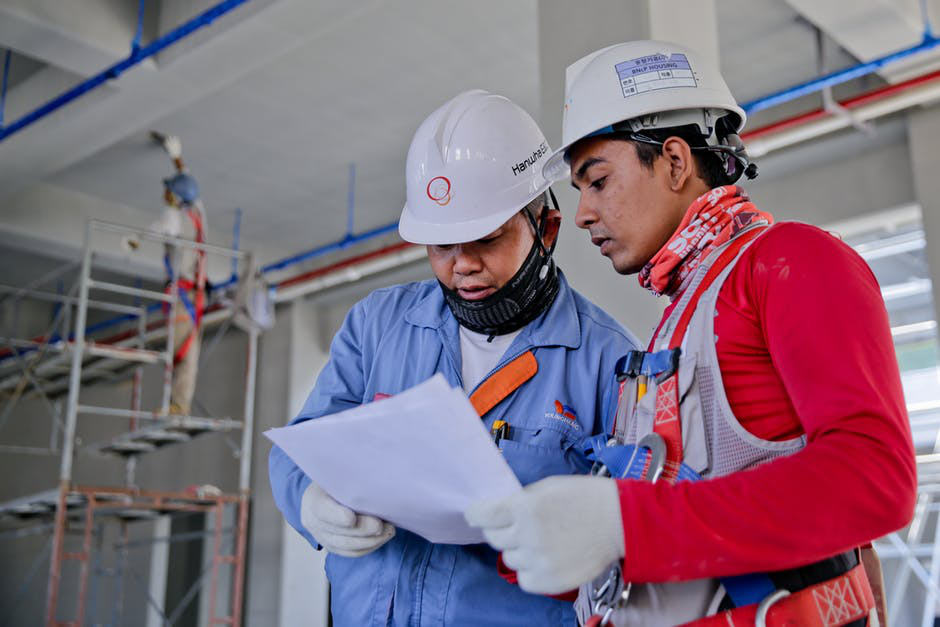
Workplace hazards are not always obvious. Unsafe equipment, damaged components, poor housekeeping, and overlooked safety concerns can develop over time and create unnecessary risk for employees and organizations.
Regular workplace inspections provide a structured way to identify these issues before they contribute to an injury, equipment damage, downtime, or other operational problems. More importantly, inspections help organizations move from reacting to safety problems after they occur to identifying and correcting potential hazards beforehand.
A consistent inspection process can be an important part of building a safer, more organized workplace.
The Purpose of a Workplace Inspection
Workplace inspections help organizations identify conditions that may require attention and create a consistent process for documenting and addressing them.
An effective inspection process can help teams:
- Identify existing and potential workplace hazards
- Determine possible causes of unsafe conditions
- Verify that safety controls are in place and functioning properly
- Document issues that require corrective action
- Capture concerns reported by employees and supervisors
- Better understand the conditions surrounding specific jobs, equipment, and work areas
- Create a record of completed inspections and identified issues
When inspections are performed consistently, they become more than a checklist. They provide useful information that can help organizations improve safety practices and make better operational decisions.
Helps Keep Employees Safe
Protecting employees is one of the most important reasons to conduct regular workplace inspections.
Hazards such as damaged equipment, blocked walkways, leaks, missing guards, or other unsafe conditions can sometimes be identified and corrected before someone is injured. Inspections give employees and supervisors a repeatable process for finding these issues instead of relying solely on someone noticing a problem during the workday.
Regular inspections can also reinforce a workplace culture where safety is treated as an ongoing responsibility rather than something addressed only after an incident occurs.
Supports the Organization
Workplace incidents can affect much more than employee safety. Injuries and equipment-related incidents may result in lost productivity, damaged equipment, operational downtime, additional administrative work, and increased costs.
A documented inspection process can help an organization demonstrate that safety concerns are being actively identified, recorded, and addressed.
Inspections cannot eliminate every workplace risk, but they can provide organizations with a more proactive and organized approach to managing those risks.
Improves Employee Confidence and Participation
Employees are often the people most familiar with the equipment, tasks, and environments they work with every day.
A strong inspection process gives employees an opportunity to identify concerns and helps ensure those concerns are documented and addressed. When employees see that reported issues lead to corrective action, it reinforces the importance of participating in the safety process.
The goal should not simply be to conduct inspections because they are required. Inspections should be part of creating a workplace where employees know that safety concerns are taken seriously.
Make Workplace Inspections Easier to Manage
Paper forms and disconnected inspection records can make an otherwise useful process difficult to manage.
Stay Inspected provides a mobile inspection platform designed to help organizations complete inspections, submit results, organize records, and keep inspection information accessible in one place.
Learn how Stay Inspected works or contact us to learn more.
Put your inspections in one place.
Move away from scattered paperwork and give your team a faster, more organized way to complete inspections, submit results, and keep records accessible.