The Ultimate Forklift Inspection Checklist
Practical guidance to help teams improve safety, streamline inspections, and keep equipment records organized.
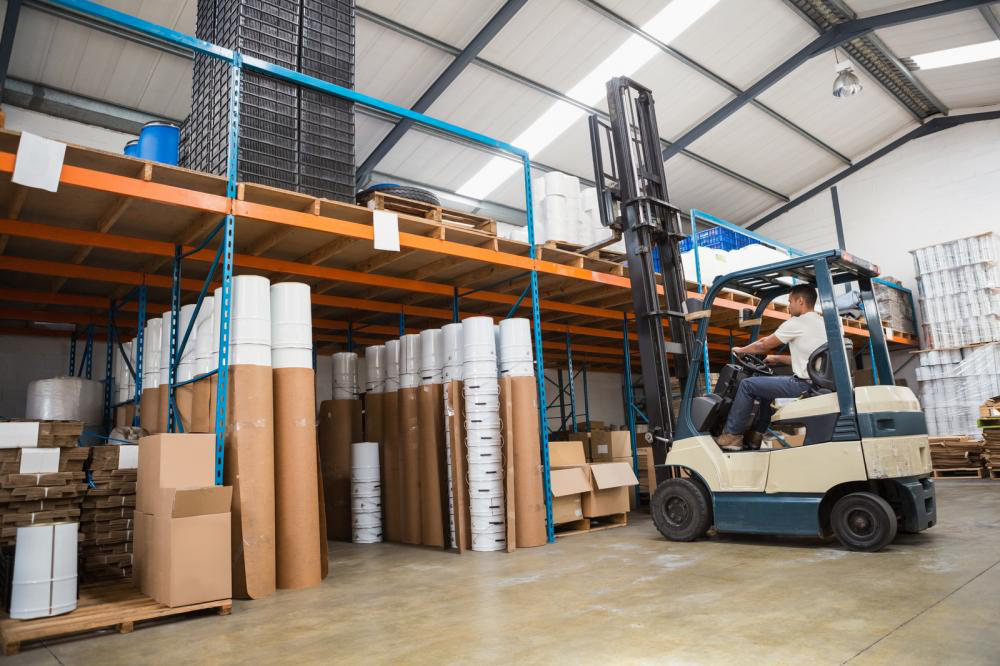
Forklifts perform demanding work in warehouses, shops, yards, and other industrial environments. Regular inspections help operators identify visible damage, equipment concerns, and other conditions that may need attention before the forklift is placed into service.
A consistent inspection process can also help organizations maintain better records and ensure operators know what needs to be checked.
The exact inspection requirements will depend on the forklift, manufacturer recommendations, workplace procedures, and applicable regulations. However, most forklift inspections can be organized into several key areas.
Start With a Visual Inspection
Before operating the forklift, begin with a visual walk-around.
Operators should look for obvious damage, leaks, missing components, excessive wear, or anything else that appears unusual.
Depending on the equipment, a visual inspection may include checking:
- Tires and wheels
- Forks and locking pins
- Mast and lift components
- Chains and rollers
- Hydraulic hoses, cylinders, and connections
- Overhead guard
- Load backrest
- Attachments
- Lights and lenses
- Data and capacity plates
- General condition of the forklift
Any cracks, damage, leaks, or other questionable conditions should be documented and handled according to the organization’s procedures.
Check the Operator Area and Safety Equipment
The operator compartment contains several components that can affect safe operation.
Before using the forklift, check applicable items such as:
- Seat and seat belt or operator restraint
- Steering controls
- Parking brake
- Service brake
- Horn
- Warning devices
- Gauges and indicators
- Mirrors, when equipped
- Lights and alarms
- Operator controls
Controls and safety equipment should operate as intended before the forklift is placed into service.
Inspect the Power Source
Inspection requirements will vary depending on whether the forklift is powered by an internal combustion engine, LPG, battery-electric system, or another power source.
For applicable equipment, inspect the battery, fuel system, LPG components, cables, connections, or other power-related components for visible damage or conditions requiring attention.
Operators should follow the manufacturer’s instructions and their organization’s procedures when inspecting or handling these systems.
Check Fluid Levels and Look for Leaks
For forklifts equipped with fluid systems, required fluid levels should be checked according to the manufacturer’s recommendations.
Depending on the forklift, this may include:
- Hydraulic fluid
- Engine oil
- Coolant
- Brake fluid
- Fuel
The area beneath and around the forklift should also be checked for evidence of leaks.
A leak or unexpected change in fluid level may indicate a condition that requires further evaluation before the equipment is operated.
Perform Operational Checks
A visual inspection is only part of the process. Applicable operational functions should also be checked before the forklift is put to work.
Following the manufacturer’s procedures, this may include verifying the operation of:
- Steering
- Brakes
- Parking brake
- Horn
- Warning alarms
- Lights
- Lift and lower controls
- Tilt functions
- Attachment controls
- Gauges and indicators
If the forklift does not operate as expected or an unsafe condition is identified, it should be reported and handled according to the organization’s procedures before returning the equipment to service.
Document the Inspection
Completing the inspection is important, but so is documenting it.
Inspection records provide organizations with a history of completed checks and reported concerns. They can also help supervisors and managers maintain visibility into inspection activity across multiple forklifts, operators, or locations.
This is where paper-based inspection processes can become difficult to manage. Forms have to be completed, submitted, organized, stored, and retrieved when someone needs them.
A digital inspection process can make those records easier to manage.
Make Forklift Inspections Easier to Manage
Stay Inspected provides a mobile inspection platform designed to help organizations standardize inspection workflows, document results, report equipment concerns, and maintain inspection records in one organized system.
Inspection workflows can be configured around forklifts as well as trucks, trailers, service vehicles, workplace inspections, and other equipment or processes.
Instead of relying on scattered paper forms, teams can complete inspections digitally and keep the resulting information accessible to the people who need it.
Learn more about forklift inspections or contact us to learn more about Stay Inspected.
Put your inspections in one place.
Move away from scattered paperwork and give your team a faster, more organized way to complete inspections, submit results, and keep records accessible.